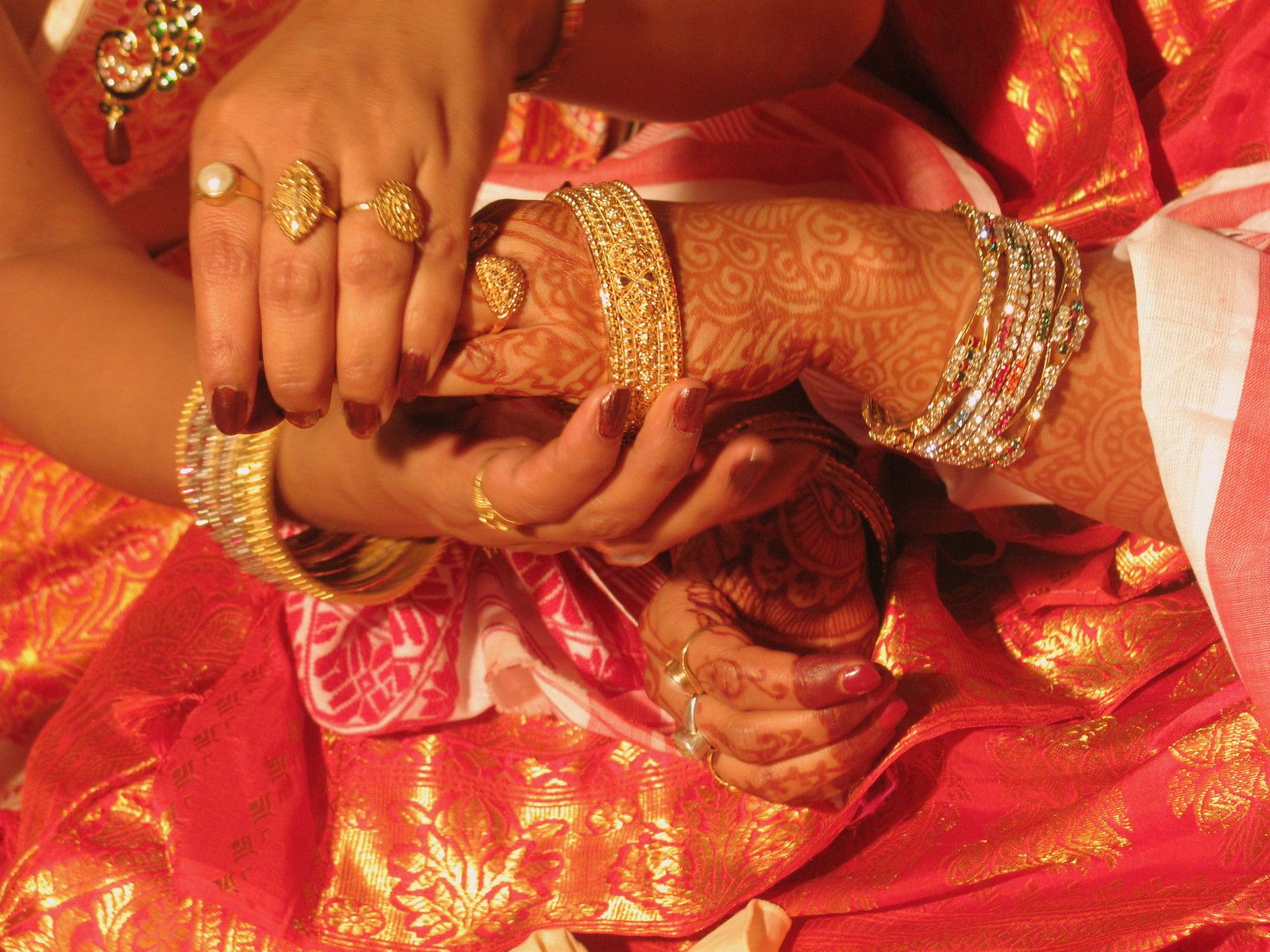
Dhanteras falls just before Diwali, and for many households it is the day to buy gold. Most of that gold is bought as jewellery and kept as savings. That shapes the purchase. The buyer cares about two numbers, the weight of the metal and its purity, and treats everything else on the bill as a cost to be pushed down. The part pushed hardest is the making charge, which is the only line on the bill that pays for craft.
This site writes about objects whose value lies in how they were made. Gold jewellery is one of them, though it is rarely sold that way. The goldsmith's work is priced as an overhead on the metal. It is worth looking at what each line of a jewellery bill buys.
What the hallmark certifies
Hallmarking of gold jewellery became compulsory in stages. The Bureau of Indian Standards' first phase began in June 2021 in 256 districts, 32 districts were added in April 2022 and 55 in September 2023, and a fourth phase from 5 November 2024 brought the total to 361, according to a government release of 14 November 2024. Since 1 April 2023, registered jewellers may sell only pieces that carry a six-digit Hallmark Unique Identification number, or HUID.
Entering that number in the BIS CARE app shows the jeweller's registration number, the assaying and hallmarking centre that tested the piece, the type of article, the date it was hallmarked and the purity of the metal. That is the full list. The hallmark certifies that a ring said to be 22 carat is 22 carat. It says nothing about the weight of gold in it, the price, the making charge, or the stones.
The rule also has gaps that matter at the counter. The BIS questions for jewellers list the exemptions: articles weighing less than two grams, Kundan, Polki and Jadau jewellery, and jewellers with an annual turnover of up to ₹40 lakh, among others. A small gold stud from a small shop may carry no hallmark at all and break no rule.
What the bill must show
For hallmarked jewellery, BIS requires the bill to state the description of each article, the net weight of precious metal, the purity in carat and fineness, and the hallmarking charge. The same answer adds that a buyer can have the purity of a hallmarked piece checked at any BIS-recognised hallmarking centre. A bill that gives only a total is a reason to ask for a fresh one.
What the making charge pays for
Jewellers quote the making charge as rupees per gram or as a percentage of the gold's value. BankBazaar's explainer puts it at 3 to 25 per cent for machine-made, mass-market pieces such as plain chains, and above 25 per cent for detailed work such as bridal jewellery. Studded pieces cost more to make than plain gold, and coins carry much lower making charges than jewellery.
Depending on the shop, the charge covers design, overheads and margin, the gold lost in working, and the goldsmith's labour. Only the last of these is craft in the sense this site uses the word, and the bill does not separate it. A buyer who bargains the making charge down from 18 to 12 per cent on a ₹1 lakh necklace has saved ₹6,000 and has no way of knowing how much of it came out of the bench.
The person at the bench
In June 2020, as shops reopened after the lockdown, Indian Jeweller reported that a karigar in Mumbai's Zaveri Bazaar had earned ₹8,000 to ₹10,000 a month before the lockdown, and that about 1.7 lakh karigars had gone back to their home districts, leaving 10,000 to 12,000 in the market.
In May 2025, with gold close to ₹1 lakh for ten grams, The Times of India spoke to a karigar who had worked in Zaveri Bazaar since 1988. His earnings had fallen from ₹25,000 to ₹10,000 a month. The general secretary of the Bengali Swarna Shilpi Kalyan Sangha said each karigar used to work on at least 500 grams of gold a month and was now struggling to get 100 grams of work (reproduced by The Art of Jewellery).
These are reported accounts and not a survey, and they come from one market. They point the same way. In the 2025 account, a high gold price meant fewer grams bought, and less work for the people who shape them. The making charge is quoted as a share of the gold, so the craft is paid as a fraction of the metal it shapes.
Buying gold with this in mind
- Check the HUID in the BIS CARE app before you pay, and keep a bill that shows the net gold weight, the purity, the making charge and the hallmarking charge on separate lines.
- Ask how the shop will value the piece if you sell or exchange it later, and whether the making charge counts for anything then. If the gold is savings, a plain piece with a low making charge keeps more of its value.
- When the work is the reason you are buying, a filigree piece or a temple necklace, accept the higher charge and ask who made it. Some shops will say.
Sources
- Press Information Bureau, "Over 40 crore gold jewellery items hallmarked so far; fourth phase of Mandatory Hallmarking begins from November 5, 2024", 14 November 2024. Phase dates, district counts and the information the BIS CARE app shows for a HUID.
- Press Information Bureau, "Mandatory HUID based hallmarking from 01 April 2023"
- Bureau of Indian Standards, hallmarking questions for jewellers. Exemptions (question 9) and what a bill must show (question 19), read on 19 October 2026.
- BankBazaar, "Wastage and making charges of gold jewellery", updated 19 October 2026
- Indian Jeweller, "Jewellery stores in Zaveri Bazaar re-open, post lockdown, await buyers", 6 June 2020
- The Art of Jewellery, "Soaring gold prices leave artisans jobless, force them to return home", 19 May 2025, courtesy The Times of India