Channapatna is a town in Karnataka about 60 km from Bengaluru, on the old road to Mysuru. Its workshops turn wood on a lathe and colour it with lac, a resin made by an insect, and the makers say the craft is more than 200 years old. The toys compete with imported plastic ones and with cheaper imitations sold under the Channapatna name.
The district administration calls the town Gombegala Ooru, the toy town, and the toys are a registered Geographical Indication. This guide covers how they are made, what a Channapatna toy can and cannot promise a parent, and how to check what you are buying.
How a Channapatna toy is made
The early history is unclear. Artisans and local accounts credit Tipu Sultan, who ruled Mysore from 1782 to 1799, with building up the trade. Some accounts say he invited Persian artisans to train local craftspeople, and others say he encouraged Persian traders to buy the toys (Impart Encyclopedia of Art; Sahapedia). The later history is better recorded. Bawas Miyan, of the government industrial school at Channapatna, travelled to Japan in 1904 and 1909 to study lacquer work and added what he learned to the school's teaching. Electric power lathes came into steady use in the 1940s.
The method is called lac-turnery. A piece of wood is shaped on a hand or power lathe. A stick of coloured lac is then pressed against the spinning piece, and the friction melts the lac so that it spreads over the wood. The piece is polished with the dried leaf of the screw pine, which gives the finish its translucence. These steps are described in an FAO case study of the Channapatna lacquerware industry. Lac is an encrustation produced by the lac insect, and Channapatna now brings it in from other states.
The traditional wood is Wrightia tinctoria, called aale mara or hale in Kannada and ivory-wood in English. The FAO study describes it as extremely close-grained, moderately hard and easy to turn into fine shapes. Workshops also use rubber wood, sycamore, cedar, pine and teak (Institute of Wood Science and Technology, ICFRE). The colour comes from dye mixed into the lac. Natural colourants such as turmeric, indigo and kumkum are used, and so are synthetic ones. The FAO study records aniline dyes and lithopone, a white pigment, and Impart lists synthetic poster and enamel colours among the craft's materials. Ask a seller which kind they use.
GI status
Channapatna Toys & Dolls is GI application No. 23, filed on 7 February 2005 by the Karnataka State Handicrafts Development Corporation. The GI registry records certificate No. 22, dated 30 January 2006, and lists the registration as valid to 6 February 2035 after renewal. It also lists 77 authorised users, the makers and firms allowed to sell under the name. Channapatna taluk was in Ramanagara district until 23 May 2025, when the district was renamed Bengaluru South.
What a Channapatna toy can promise
A Channapatna toy is solid wood with no batteries, sound chip or plastic. No standard has certified it as safe for a child to mouth. The Toys (Quality Control) Second Amendment Order of December 2020 exempted toys made and sold by the registered proprietor or authorised users of a GI, and by artisans registered with the Development Commissioner (Handicrafts), from India's toy standards and the BIS mark (Press Information Bureau, 12 December 2020). A toy from an exempt maker need not carry the BIS mark, so any safety claim on it rests on the materials and on the maker. Keep these points in mind:
- Finish. On a lac-turned toy the colour is lac melted onto the wood. Many listings now describe painted finishes, including all three picks below. Ask what the colours are made of. A statement that the colours are non-toxic is the seller's own claim, and none of the listings below shows a test report.
- Small parts. Turned toys have no batteries or snap-on plastic. Stacking rings, rattles and tops can still have pieces small enough to choke on, so check sizes against your child's age as you would for any toy.
- Play. There are no screens and no sound chips. A top, a stacker or a rattle does something only when a child moves it.
How to check what you are buying
Imitations are sold under the Channapatna name, and some of the town's own makers now paint their toys, so the finish alone will not tell you where a toy was made. The wood will not tell you either, because Channapatna workshops use several timbers. These checks help, though none of them is certain:
- Surface. Lac buffed with screw pine leaf has a translucent sheen. Brushed paint sits as a layer on top of the wood. A painted toy can still come from Channapatna, so use this to learn which finish you are getting.
- Maker. Buy from a seller who names the workshop and gives its address. The GI registry's public search lists the authorised users of the Channapatna Toys & Dolls GI, so you can look a name up there.
- Price. A toy priced far below similar listings deserves a closer look at who is selling it.
Where to buy
These sources sell Channapatna toys online or in person:
- Amazon India. Several sellers name a Channapatna workshop. Meeran Art & Crafts of Kalanagar, Channapatna, sells there under the name CHANNAPATNA TOYS. Read the brand, the seller and the manufacturer's address on each listing.
- iTokri. An online craft store with a Channapatna toys collection.
- Direct from Channapatna workshops. Some makers ship across India from their own sites. Meeran's site says the family business was founded in 1946.
- Cauvery Handicrafts Emporium. The Karnataka State Handicrafts Development Corporation, which applied for the GI, sells Karnataka crafts under the Cauvery name through its own outlets, and its catalogue has a lacquerware section.
Specific picks
All three picks are made by Meeran Art & Crafts in Channapatna and sold on Amazon. Prices and stock were checked on 6 October 2026.
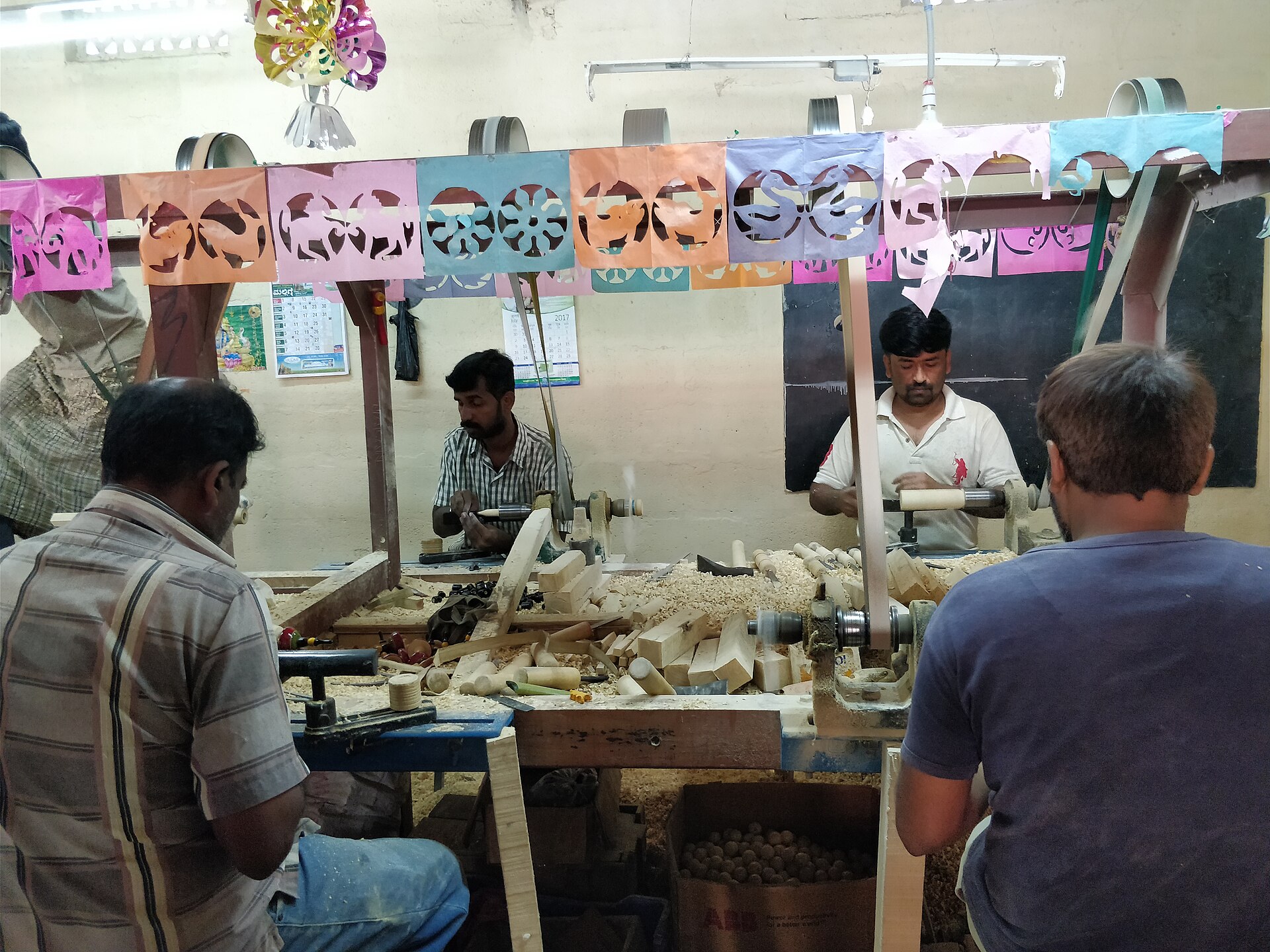
Top pick
Wooden stacking rings, Meeran Art & Crafts
via Amazon (seller CHANNAPATNA TOYS) · Made in Kalanagar, Channapatna · 10 rings on a rounded base · Listing describes non-toxic paint and does not mention lac · 1 year+
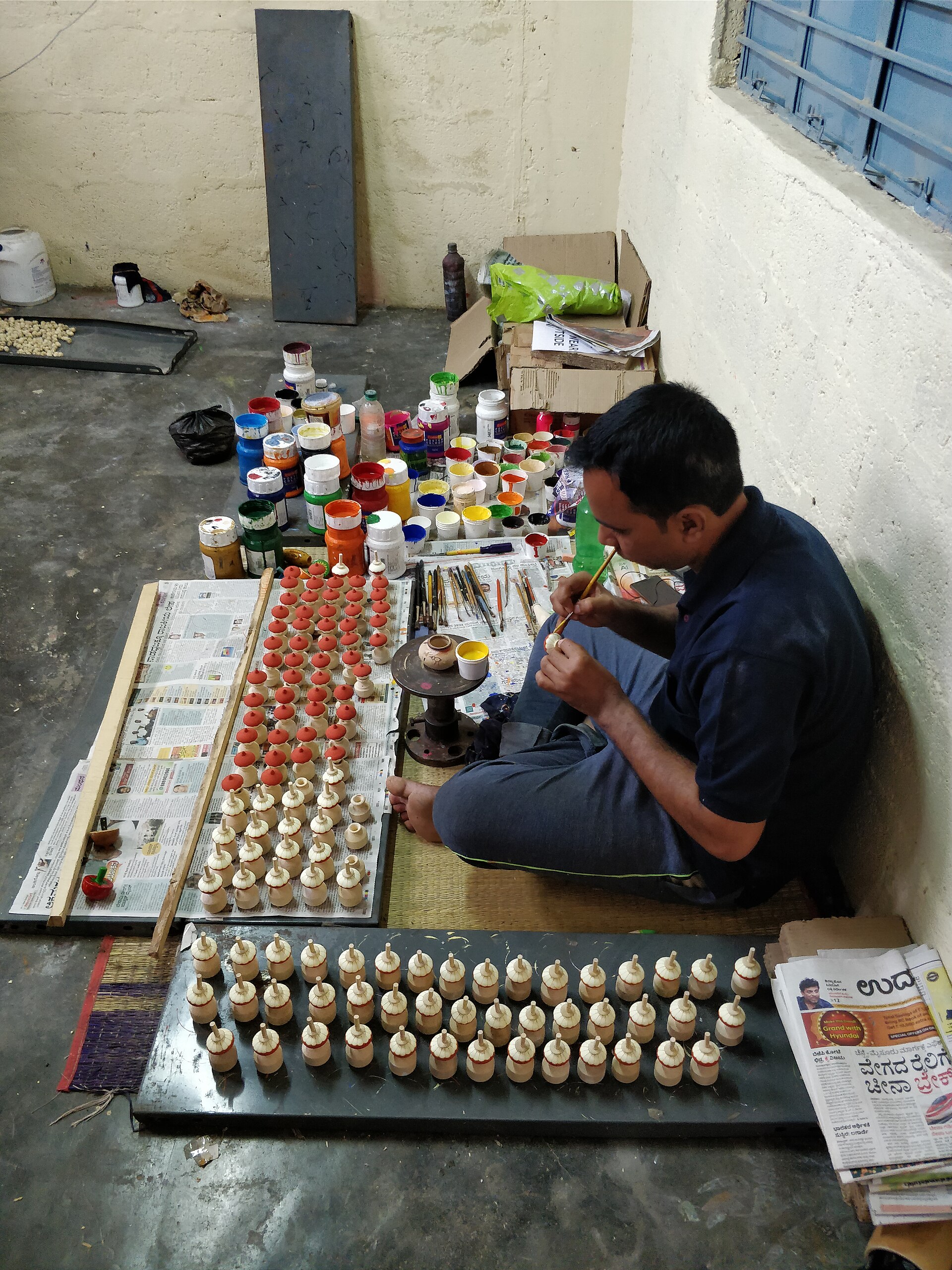
Gift pick · Toddler
Roly-poly doll and stacking rings, set of 2
via Amazon (seller CHANNAPATNA TOYS) · Same Channapatna maker · Balancing doll about 7 × 7 × 9 cm plus a ring stacker · 1 year+
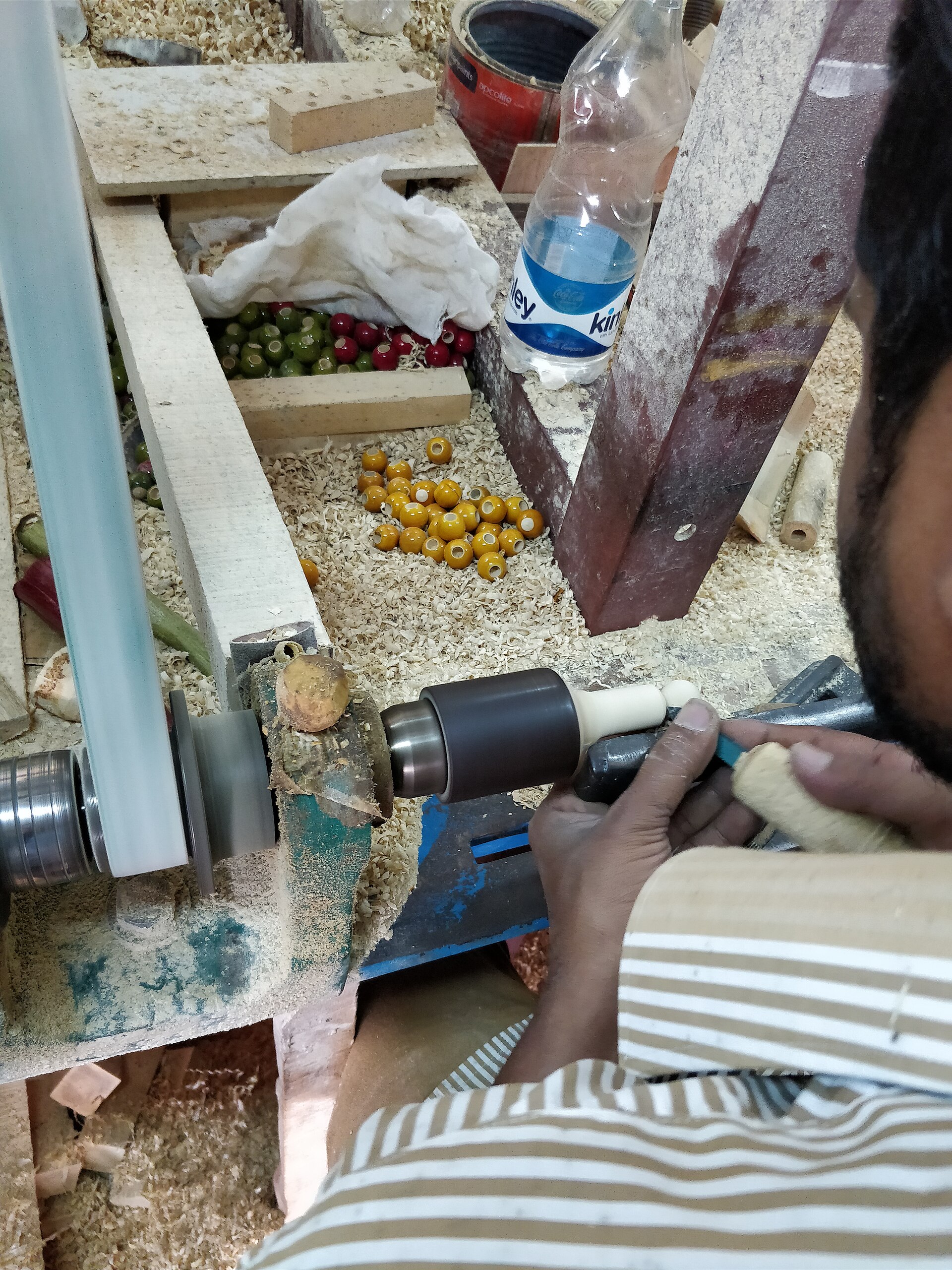
Baby pick · 0 to 12 months
Wooden rattles, set of 8
via Amazon (seller CHANNAPATNA TOYS) · Same Channapatna maker · Listing says the rattles are painted with non-toxic vegetable dye paints and does not mention lac, so ask about the finish before buying for a baby who mouths toys
Looking after the toys
Wipe a toy with a barely damp cloth and dry it straight away. Do not soak it or leave it in water.
Keep the toys out of long spells of direct sunlight and away from heaters and hot surfaces.
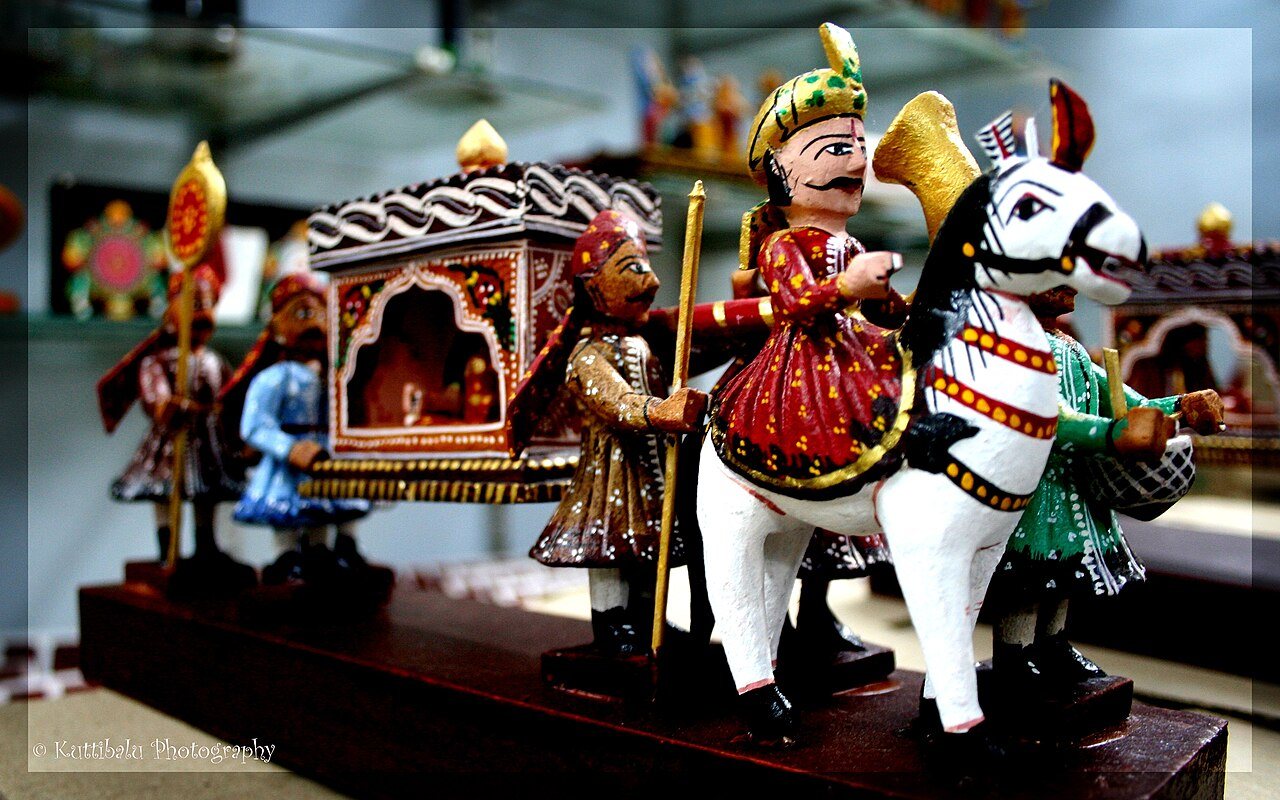
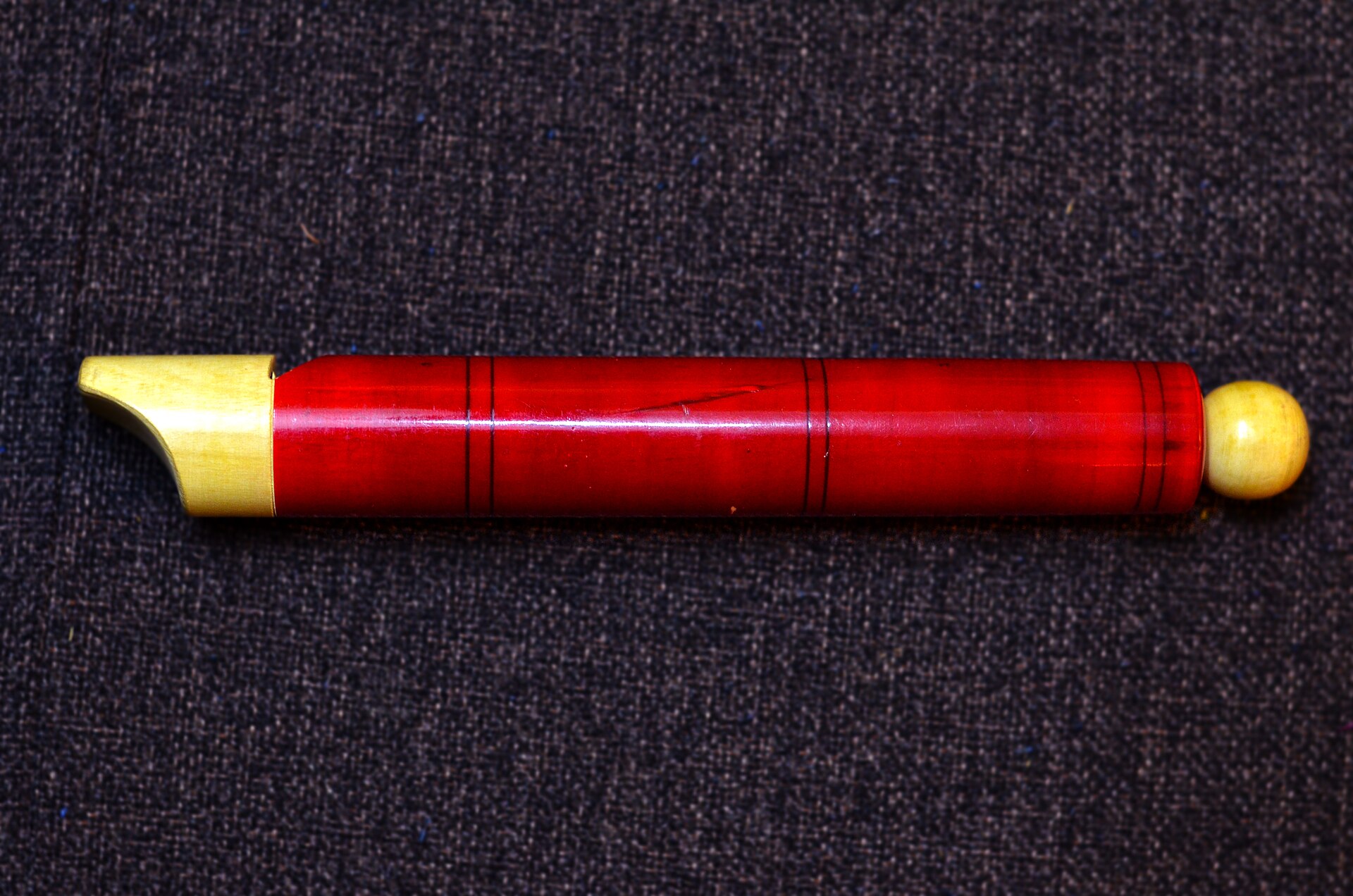
Product-card images show representative examples of the craft (museum and market pieces). They are not photographs of the listed products. Photos via Wikimedia Commons: KartikMistry / Wikimedia Commons (CC BY-SA 4.0), MaximusPrasad / Wikimedia Commons (CC BY-SA 4.0), Pratheepps / Wikimedia Commons (CC BY-SA 3.0). Product cards link to current listings, checked on 6 October 2026.